Within

TEAM 8

A playful pop-up system for multi-task management through physical interaction.

Icons

ABOUT US

Pink roses - image 3 out of 5
Orchid - image 5 out of 5
  1. 1

    Problem

    Many people struggle to stay on track when juggling multiple small tasks throughout the day. Digital reminders easily get ignored, notification fatigue sets in, and routines like “check laundry”, “turn off the stove”, or “take a break” often slip through the cracks.

    We wanted a reminder system that feels physical, visible, and impossible to ignore, while still being playful and delightful to use.

  2. 2

    How We Started...

    Our initial idea was a smart food-management container, but it quickly became clear that it was too electronic and too complex for our fabrication-focused course goals. On Nov 11, we shifted direction and reframed our challenge:How can we use physical interaction to support multi-task management?

    This pivot became the foundation for Within.

  3. 3

    Design Concept

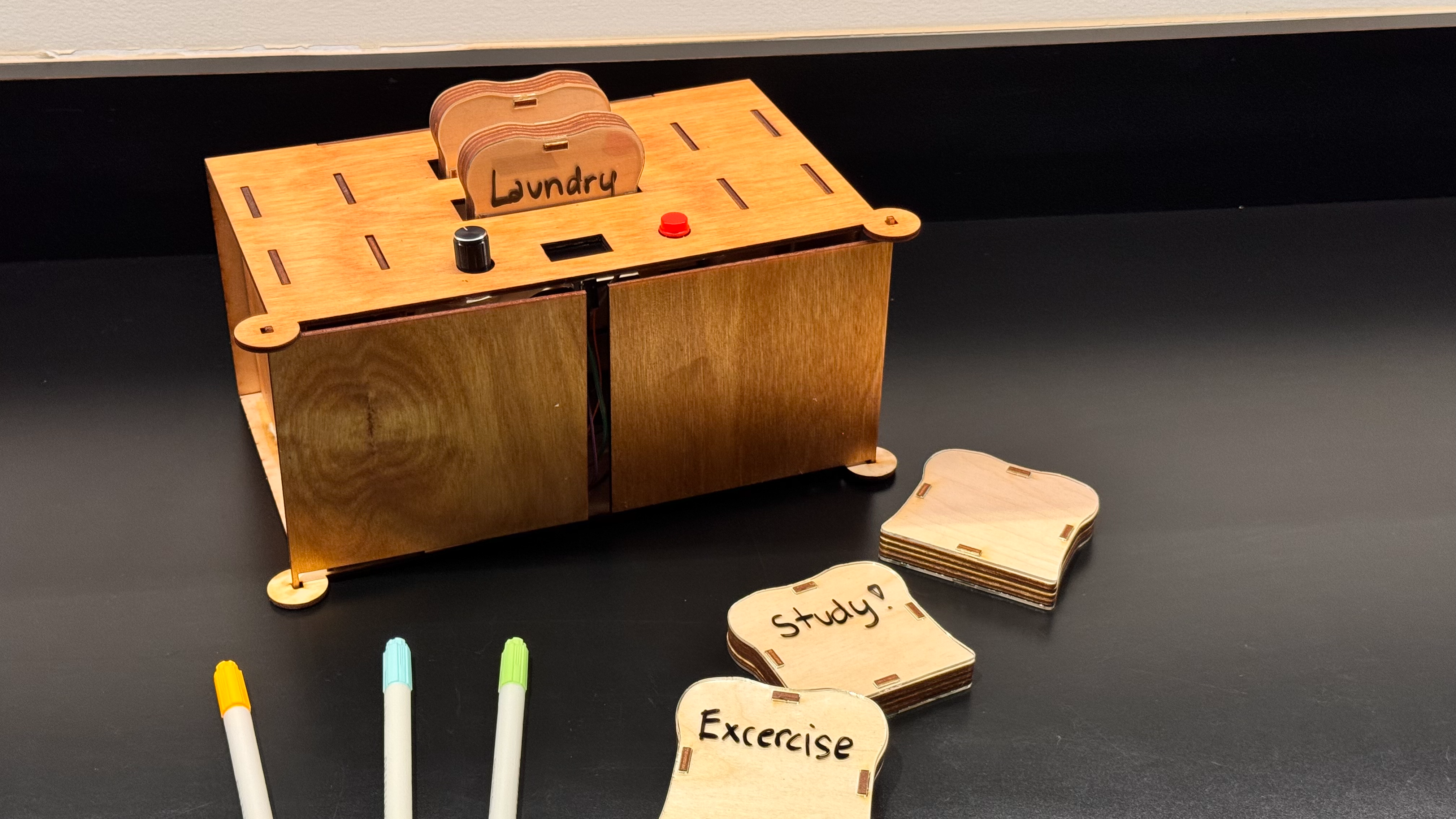
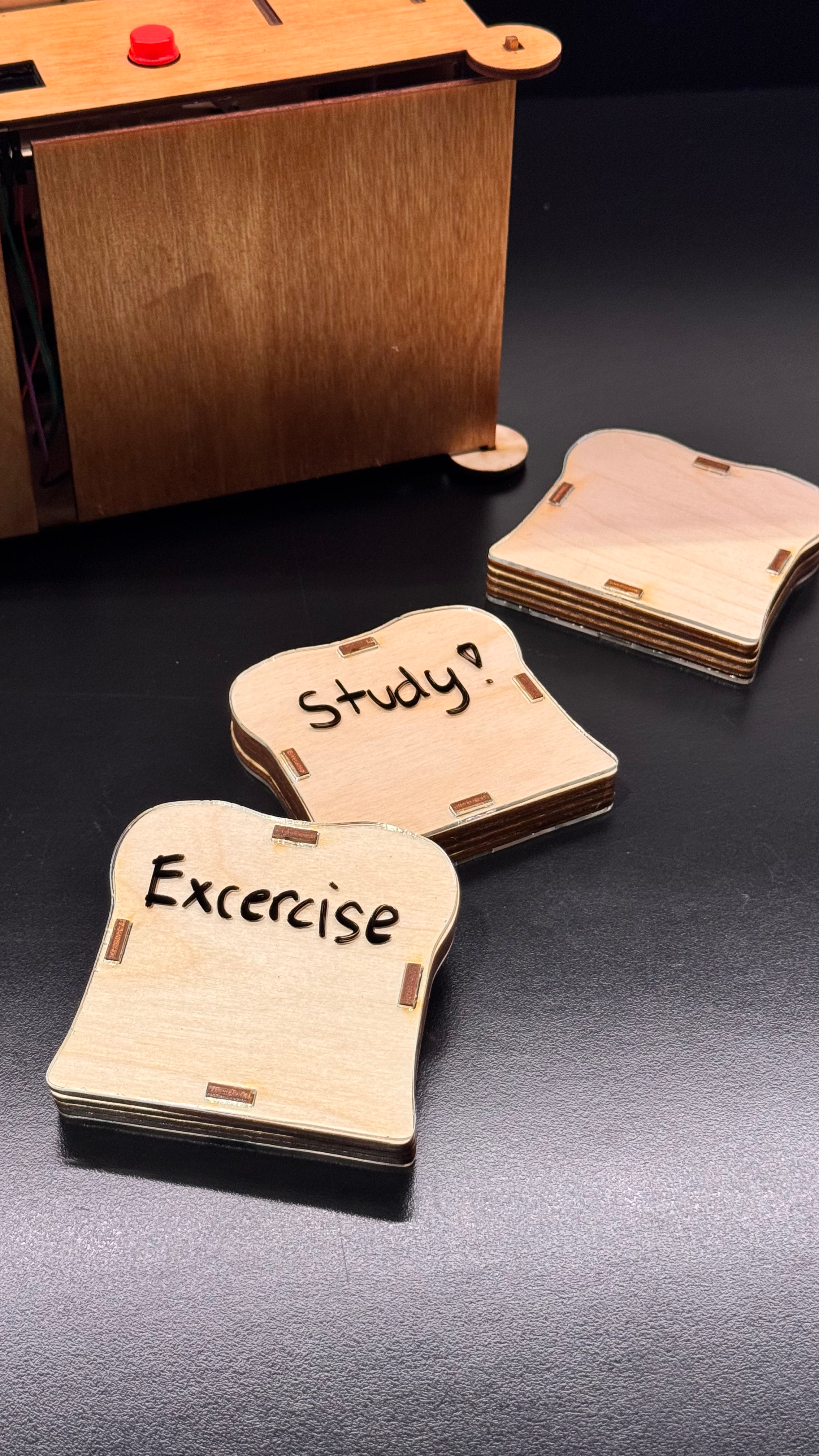
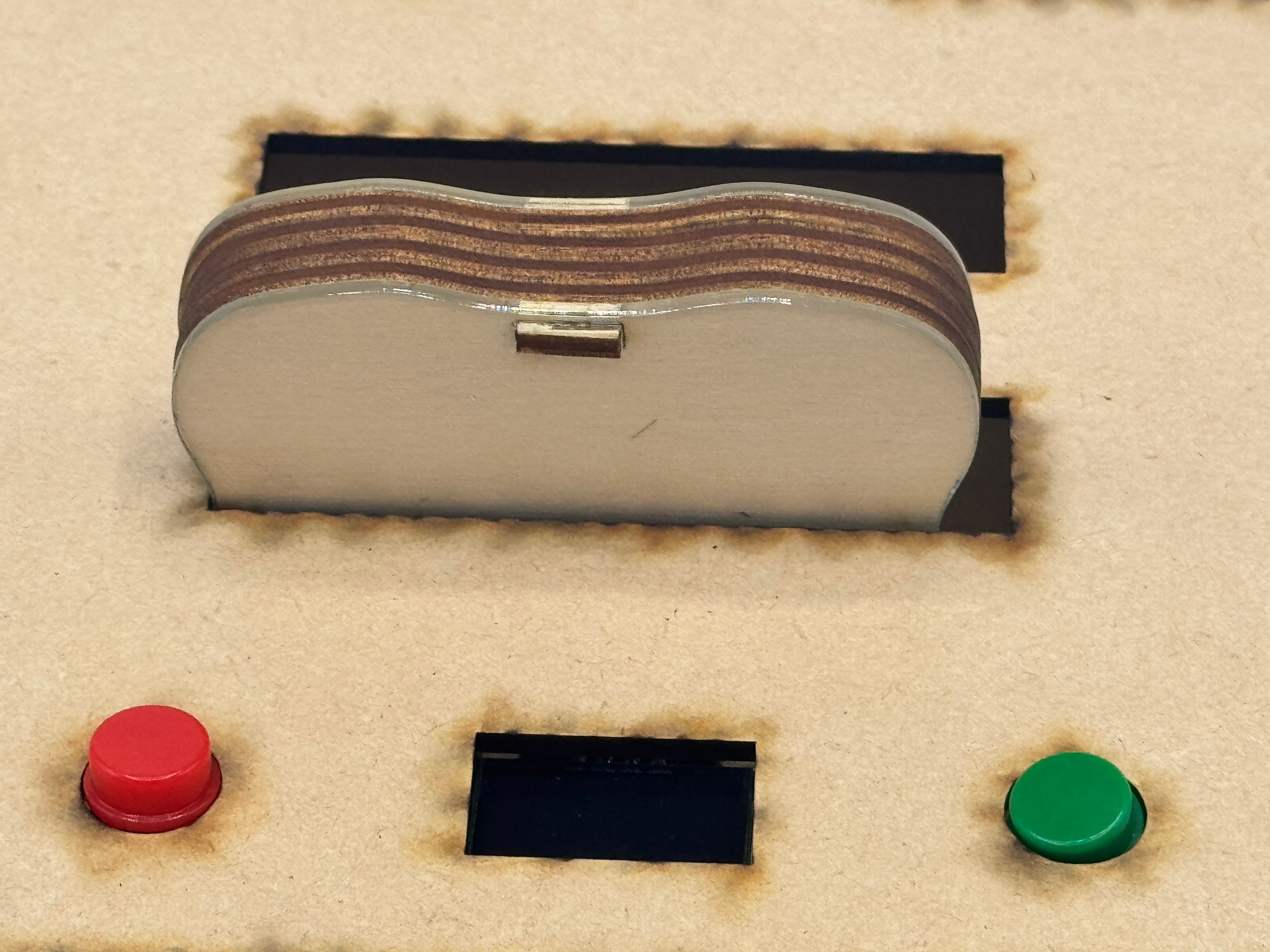
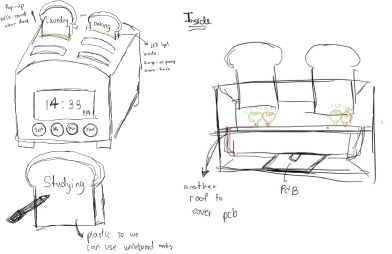
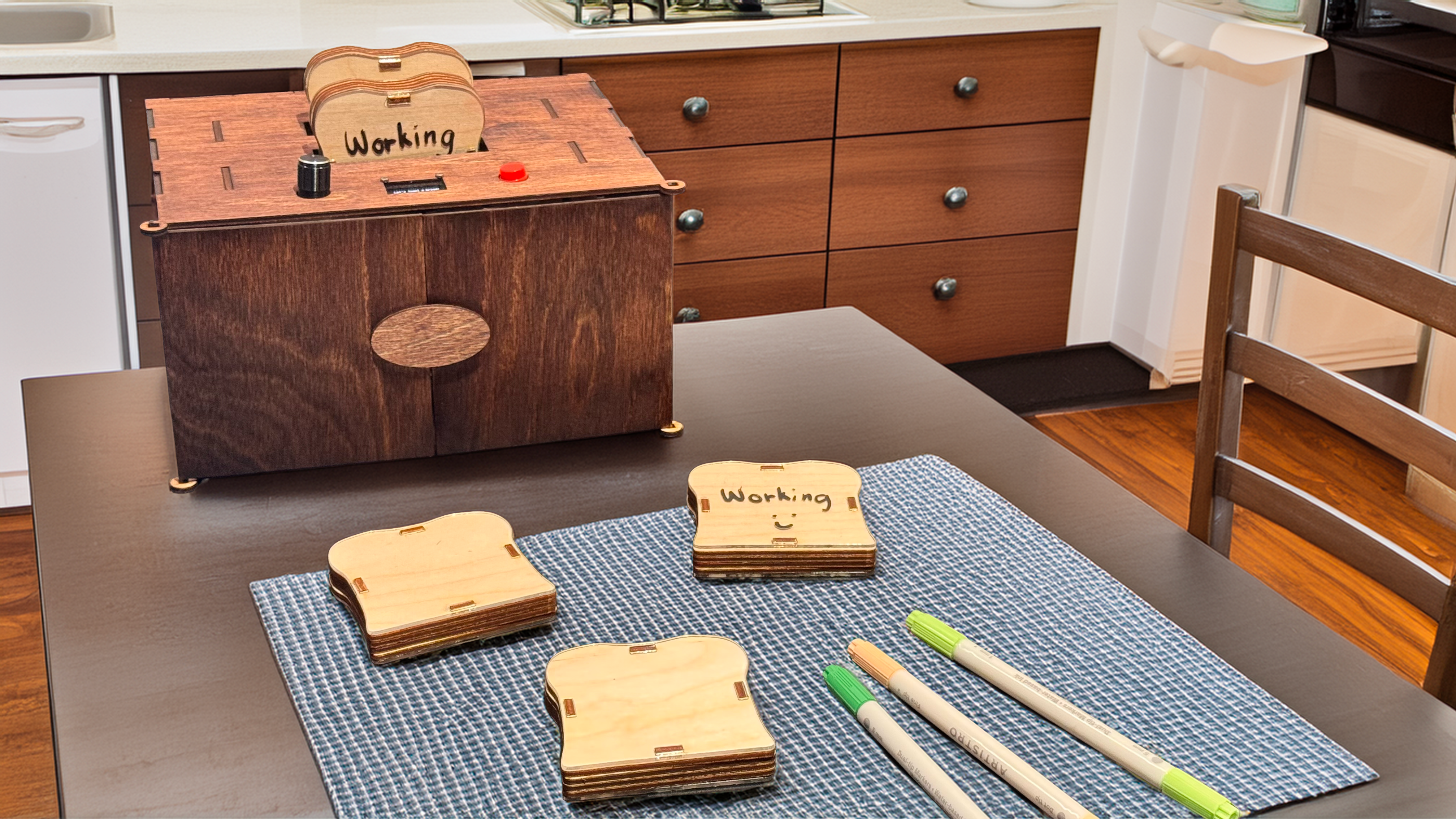
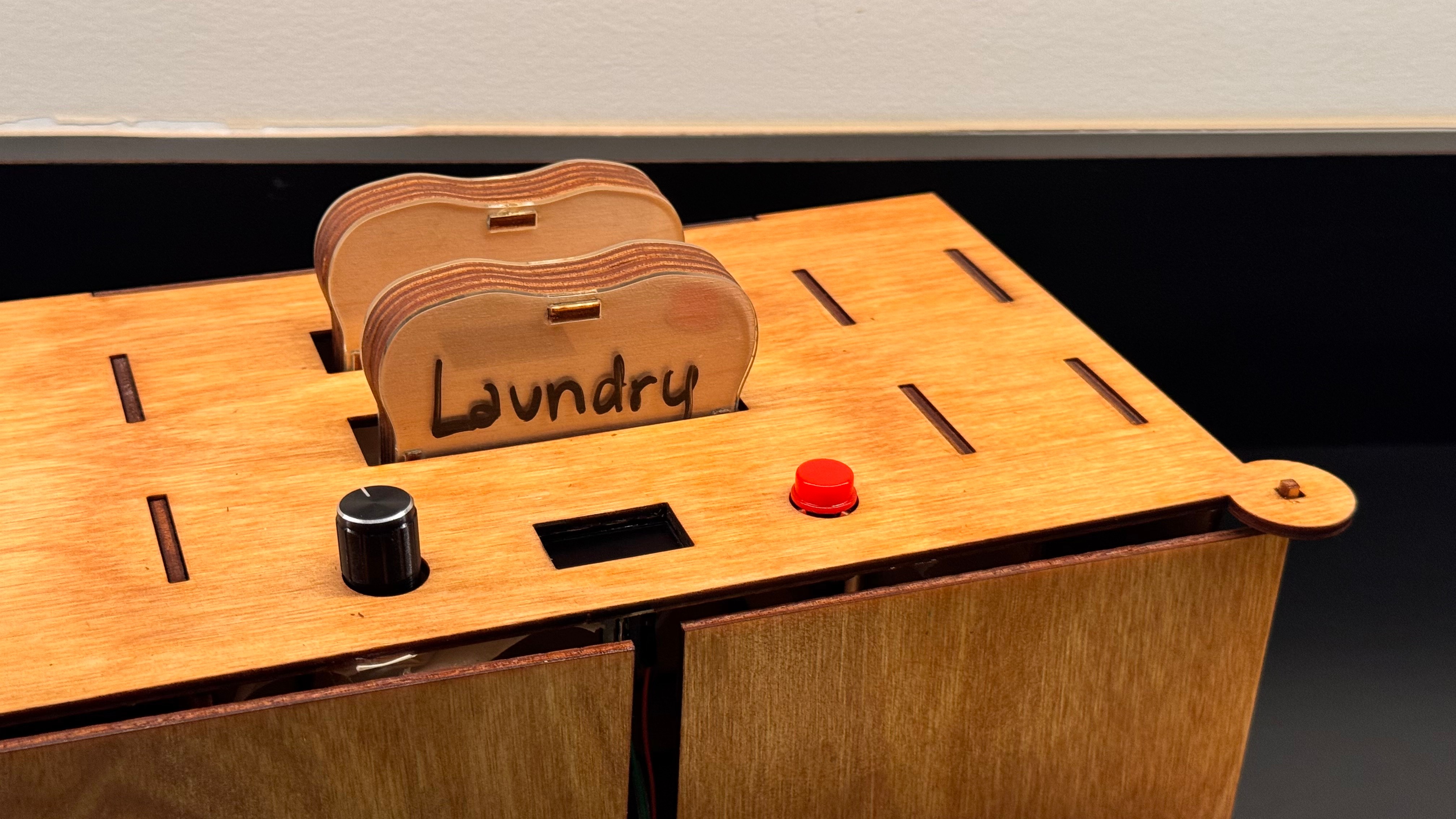
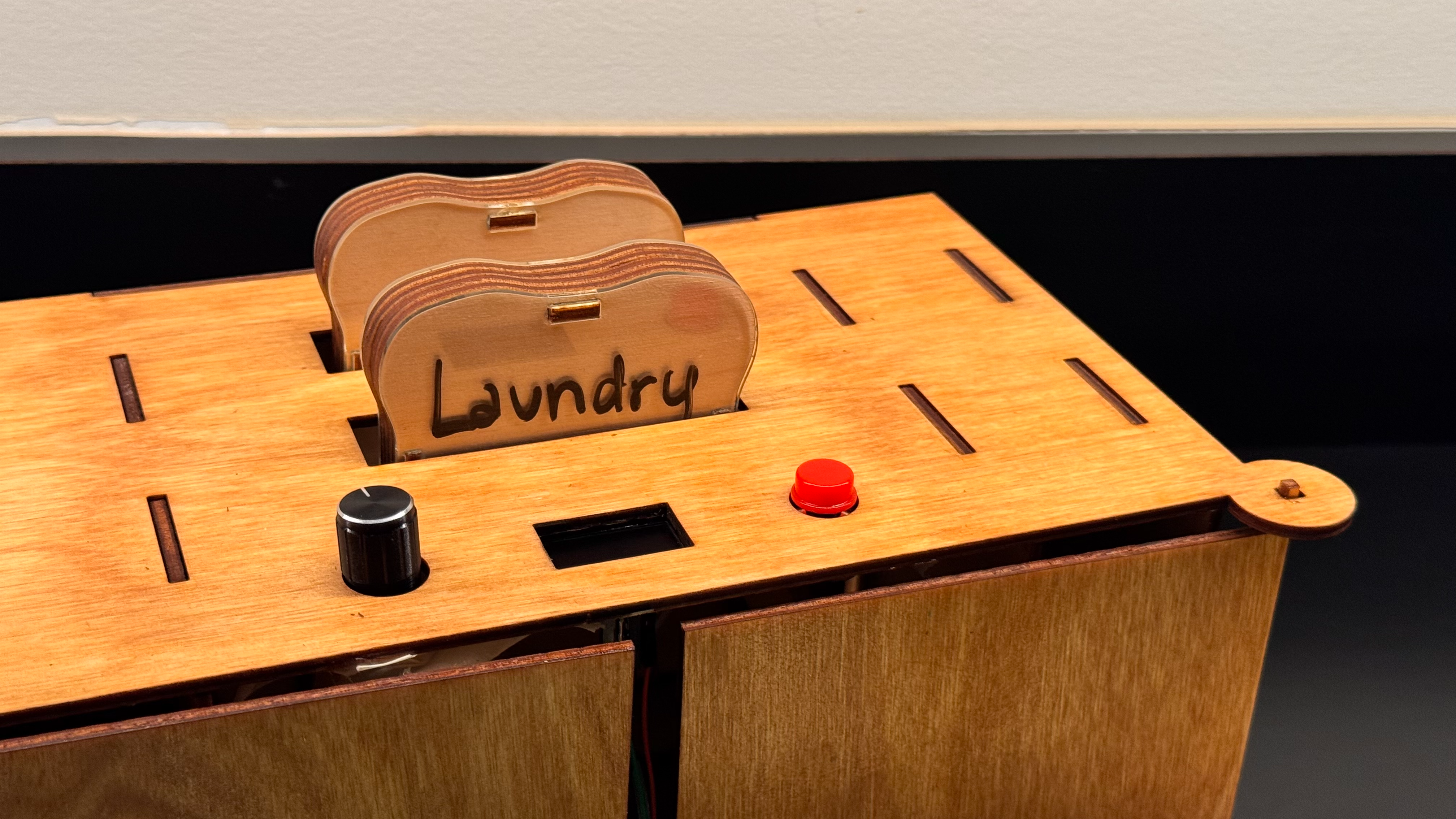
    Within uses toast-shaped task cards placed into a slot. Users set a timer, and when the task is complete, the card pops up—just like a toaster—supported by lights and sound as feedback.

    The physical “pop” acts as a moment that interrupts your flow and pulls attention back to your task.

  4. 4

    Process & Iterations

    Brainstormed for various solutions by sketchingand started the early concept ideas

  5. Iteration 1 – Low-Fidelity Prototypes
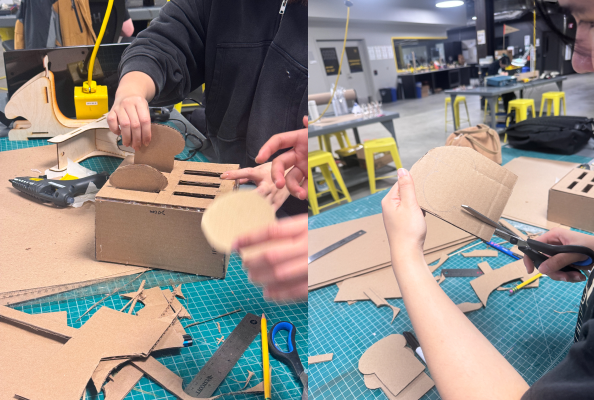
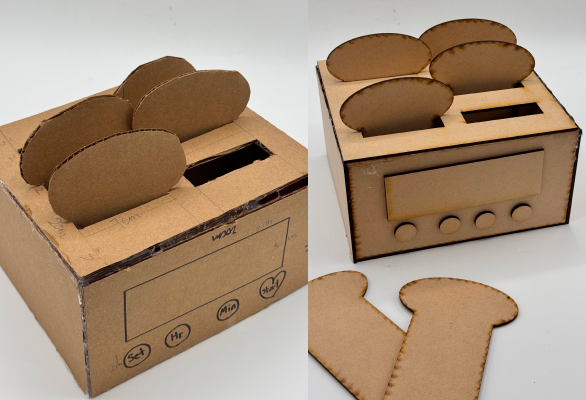
    We explored different forms using cardboard and foam to test size, hand-feel, and slot depth. This helped us understand how many task cards to support and how visible the reminder should be.

  6. Iteration 2 – Mid-Fidelity Mechanism Tests
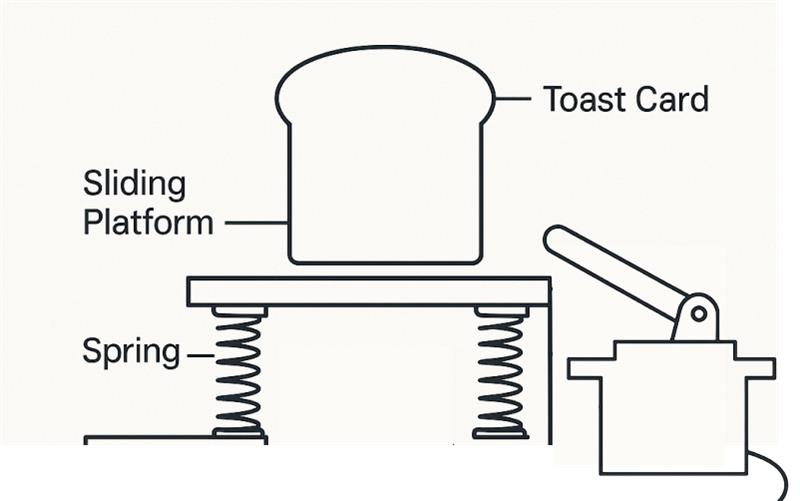
    We explored different forms using cardboard and foam to test size, hand-feel, and slot depth. This helped us understand how many task cards to support and how visible the reminder should be.

  7. Iteration 3 – Final Assembly + Electronics Integration

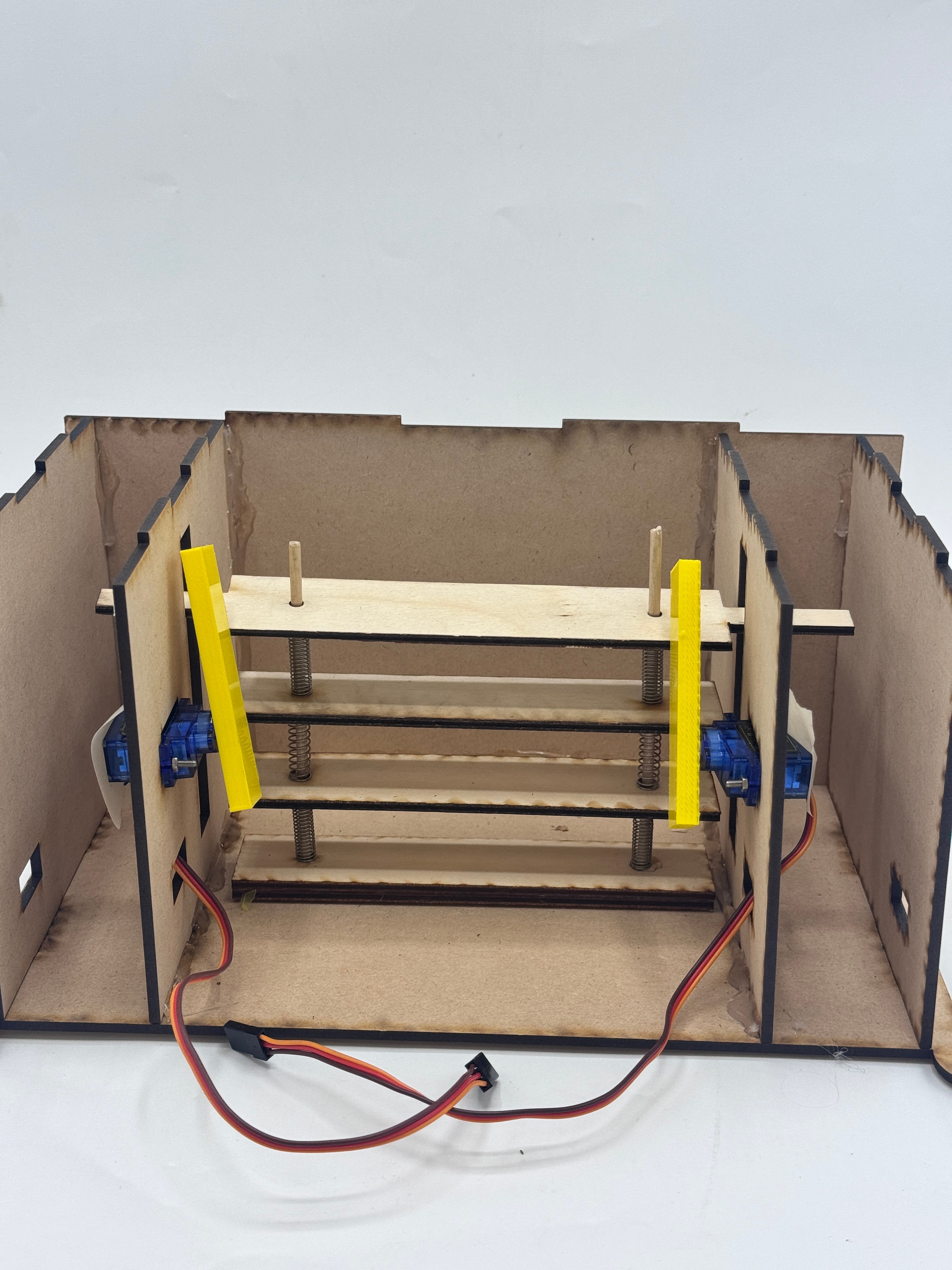
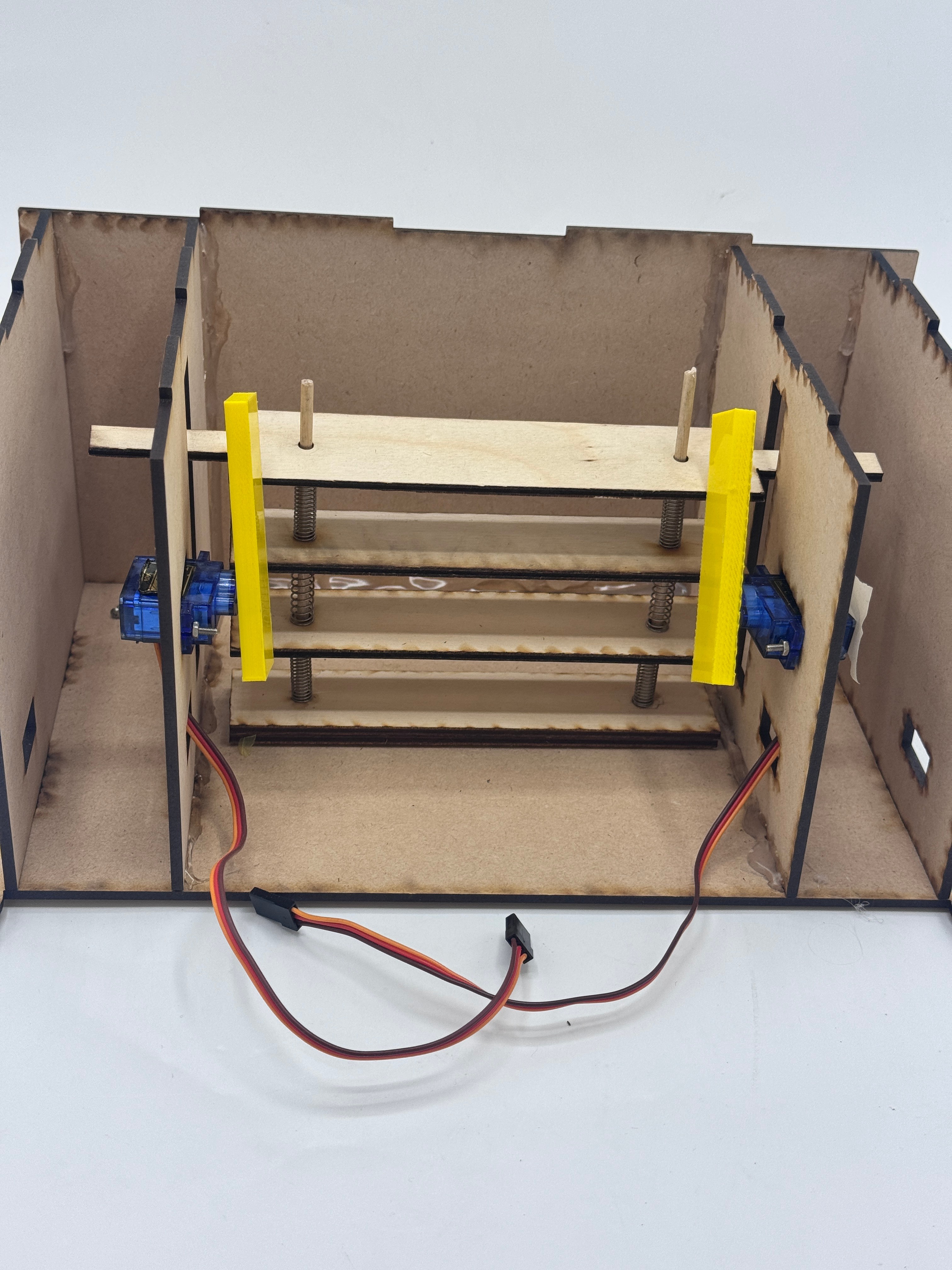
    After testing the mechanical structure, we moved into assembling the full system with electronics. We refined the box with a removable back panel for easier access, and adjusted the internal spacing to fit the spring platform and servo release arm. Once the structure felt stable, we integrated the servo to control the timing of the pop-up motion. The servo locks the spring-loaded platform in place and rotates to release it when the countdown finishes. We also added simple feedback elements such as LEDs and a display to show the timer status. This final assembly combined the playful physical motion with a timed digital trigger, completing the full interaction loop.

  8. 5

    Key Challenge

    The main challenge of this project was designing a stable and reliable pop-up mechanism inside a compact enclosure. The toast card needed to move straight up without tilting, the spring needed enough force to create a noticeable pop, and the release needed to happen precisely at the end of the timer. Achieving all three requirements in one structure required multiple rounds of testing, adjusting tolerances, and balancing the spring force with the servo motion. The solution came from combining a guided vertical pathway, a spring-supported platform, and a servo-based release, which allowed the system to pop up consistently while keeping the playful “toast” interaction.

Conclusion

After completing the project, we gained a deeper understanding of how to integrate sensors and fabrication techniques to build a functional product. For future improvements, we would like to use 3D printing to produce the device, making it feel more like a manufactured product.

Within

TEAM 8

A playful pop-up system for multi-task management through physical interaction.

Icons

ABOUT US

Pink roses - image 3 out of 5
Orchid - image 5 out of 5
  1. 1

    Problem

    Many people struggle to stay on track when juggling multiple small tasks throughout the day. Digital reminders easily get ignored, notification fatigue sets in, and routines like “check laundry”, “turn off the stove”, or “take a break” often slip through the cracks.

    We wanted a reminder system that feels physical, visible, and impossible to ignore, while still being playful and delightful to use.

  2. 2

    How We Started...

    Our initial idea was a smart food-management container, but it quickly became clear that it was too electronic and too complex for our fabrication-focused course goals. On Nov 11, we shifted direction and reframed our challenge:How can we use physical interaction to support multi-task management?

    This pivot became the foundation for Within.

  3. 3

    Design Concept

    Within uses toast-shaped task cards placed into a slot. Users set a timer, and when the task is complete, the card pops up—just like a toaster—supported by lights and sound as feedback.

    The physical “pop” acts as a moment that interrupts your flow and pulls attention back to your task.

  4. 4

    Process & Iterations

    Brainstormed for various solutions by sketchingand started the early concept ideas

  5. Iteration 1 – Low-Fidelity Prototypes

    We explored different forms using cardboard and foam to test size, hand-feel, and slot depth. This helped us understand how many task cards to support and how visible the reminder should be.

  6. Iteration 2 – Mid-Fidelity Mechanism Tests
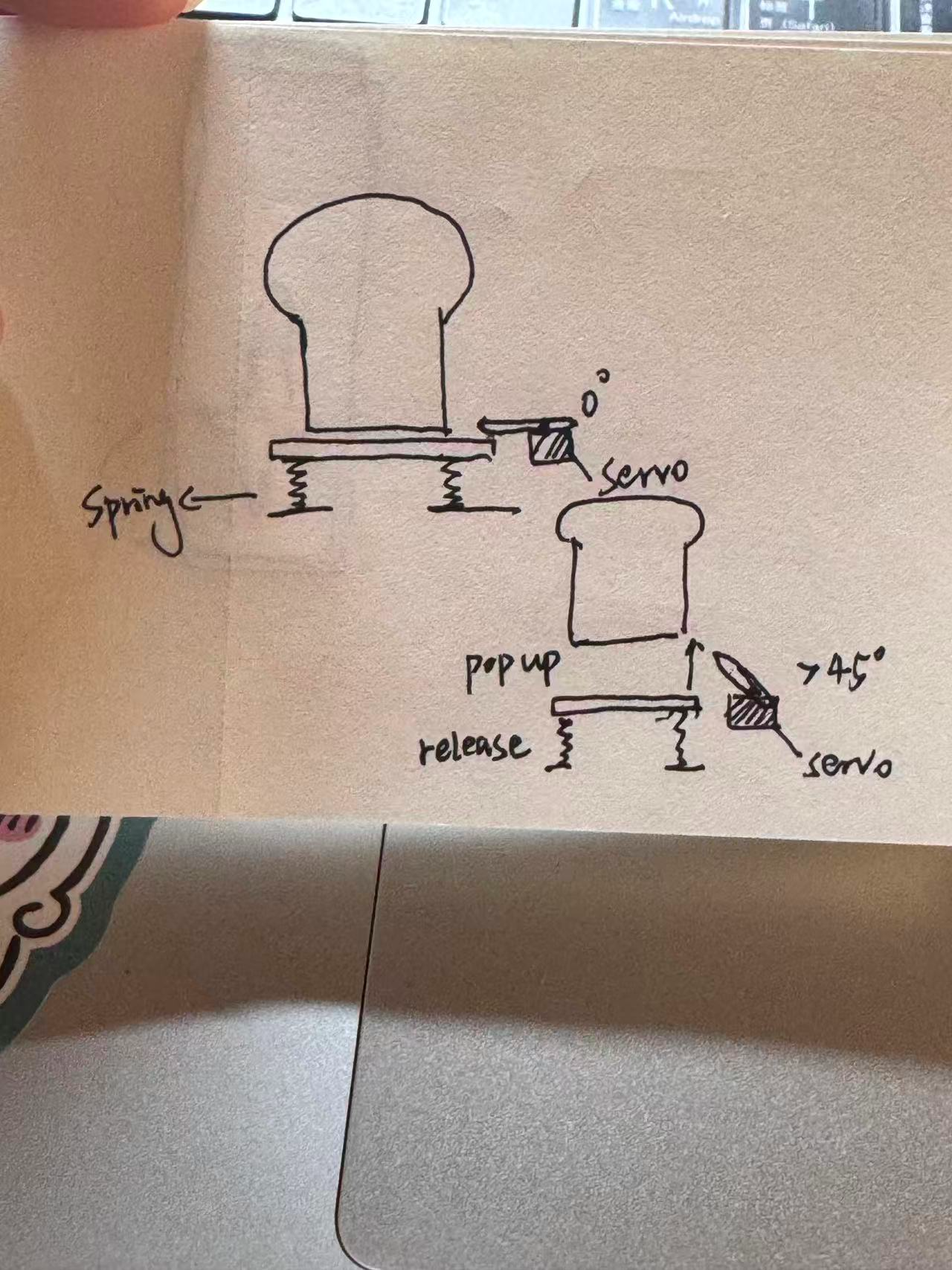
    We explored different forms using cardboard and foam to test size, hand-feel, and slot depth. This helped us understand how many task cards to support and how visible the reminder should be.

  7. Iteration 3 – Final Assembly + Electronics Integration
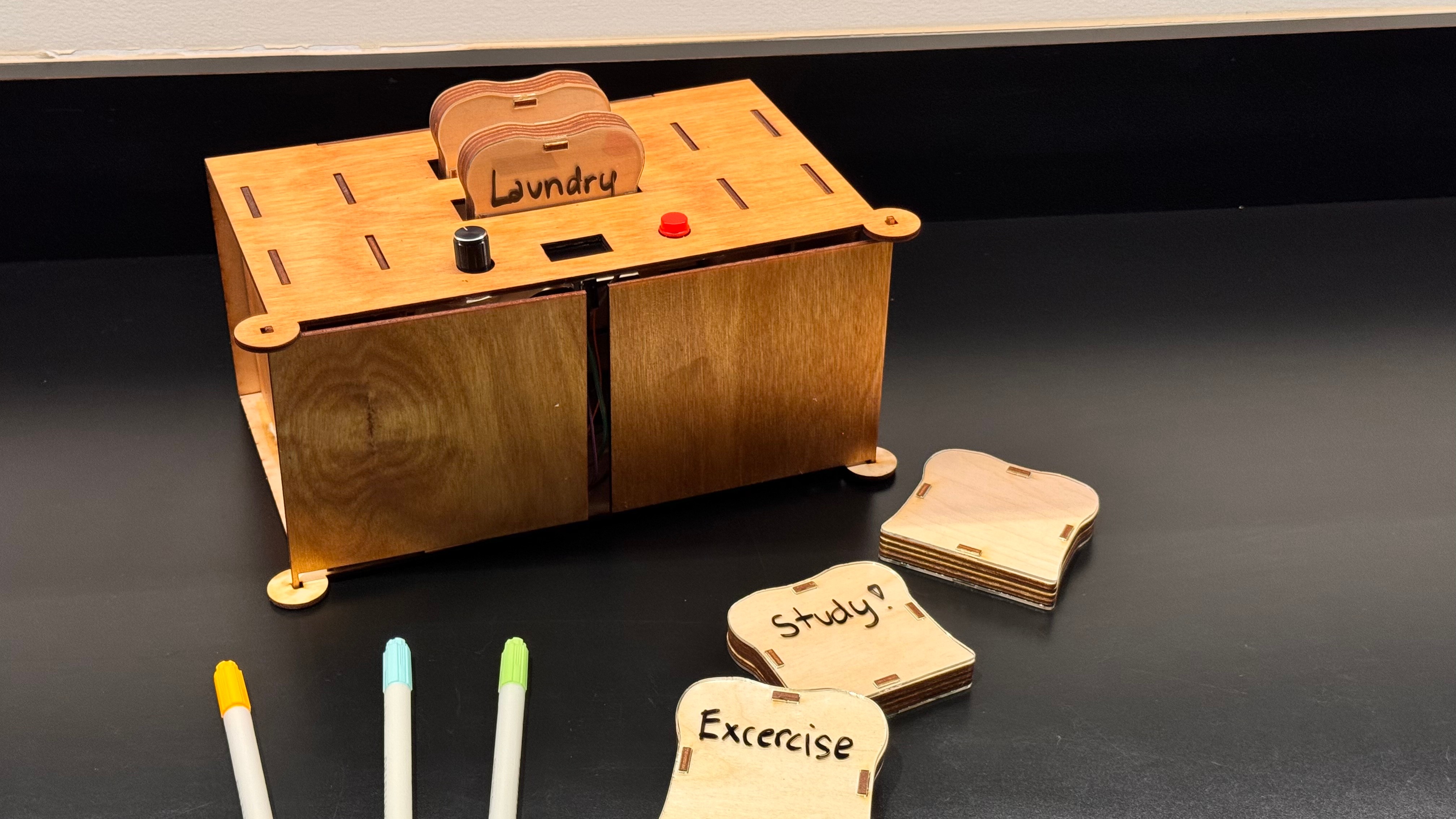
    After testing the mechanical structure, we moved into assembling the full system with electronics. We refined the box with a removable back panel for easier access, and adjusted the internal spacing to fit the spring platform and servo release arm. Once the structure felt stable, we integrated the servo to control the timing of the pop-up motion. The servo locks the spring-loaded platform in place and rotates to release it when the countdown finishes. We also added simple feedback elements such as LEDs and a display to show the timer status. This final assembly combined the playful physical motion with a timed digital trigger, completing the full interaction loop.

  8. 5

    Key Challenge

    The main challenge of this project was designing a stable and reliable pop-up mechanism inside a compact enclosure. The toast card needed to move straight up without tilting, the spring needed enough force to create a noticeable pop, and the release needed to happen precisely at the end of the timer. Achieving all three requirements in one structure required multiple rounds of testing, adjusting tolerances, and balancing the spring force with the servo motion. The solution came from combining a guided vertical pathway, a spring-supported platform, and a servo-based release, which allowed the system to pop up consistently while keeping the playful “toast” interaction.

Conclusion

After completing the project, we gained a deeper understanding of how to integrate sensors and fabrication techniques to build a functional product. For future improvements, we would like to use 3D printing to produce the device, making it feel more like a manufactured product.

Within

TEAM 8

A playful pop-up system for multi-task management through physical interaction.

Icons

ABOUT US

Pink roses - image 3 out of 5
Orchid - image 5 out of 5
  1. 1

    Problem

    Many people struggle to stay on track when juggling multiple small tasks throughout the day. Digital reminders easily get ignored, notification fatigue sets in, and routines like “check laundry”, “turn off the stove”, or “take a break” often slip through the cracks.

    We wanted a reminder system that feels physical, visible, and impossible to ignore, while still being playful and delightful to use.

  2. 2

    How We Started...

    Our initial idea was a smart food-management container, but it quickly became clear that it was too electronic and too complex for our fabrication-focused course goals. On Nov 11, we shifted direction and reframed our challenge:How can we use physical interaction to support multi-task management?

    This pivot became the foundation for Within.

  3. 3

    Design Concept

    Within uses toast-shaped task cards placed into a slot. Users set a timer, and when the task is complete, the card pops up—just like a toaster—supported by lights and sound as feedback.

    The physical “pop” acts as a moment that interrupts your flow and pulls attention back to your task.

  4. 4

    Process & Iterations

    Brainstormed for various solutions by sketchingand started the early concept ideas

  5. Iteration 1 – Low-Fidelity Prototypes

    We explored different forms using cardboard and foam to test size, hand-feel, and slot depth. This helped us understand how many task cards to support and how visible the reminder should be.

  6. Iteration 2 – Mid-Fidelity Mechanism Tests

    We explored different forms using cardboard and foam to test size, hand-feel, and slot depth. This helped us understand how many task cards to support and how visible the reminder should be.

  7. Iteration 3 – Final Assembly + Electronics Integration
    After testing the mechanical structure, we moved into assembling the full system with electronics. We refined the box with a removable back panel for easier access, and adjusted the internal spacing to fit the spring platform and servo release arm. Once the structure felt stable, we integrated the servo to control the timing of the pop-up motion. The servo locks the spring-loaded platform in place and rotates to release it when the countdown finishes. We also added simple feedback elements such as LEDs and a display to show the timer status. This final assembly combined the playful physical motion with a timed digital trigger, completing the full interaction loop.

  8. 5

    Key Challenge

    The main challenge of this project was designing a stable and reliable pop-up mechanism inside a compact enclosure. The toast card needed to move straight up without tilting, the spring needed enough force to create a noticeable pop, and the release needed to happen precisely at the end of the timer. Achieving all three requirements in one structure required multiple rounds of testing, adjusting tolerances, and balancing the spring force with the servo motion. The solution came from combining a guided vertical pathway, a spring-supported platform, and a servo-based release, which allowed the system to pop up consistently while keeping the playful “toast” interaction.

Conclusion

After completing the project, we gained a deeper understanding of how to integrate sensors and fabrication techniques to build a functional product. For future improvements, we would like to use 3D printing to produce the device, making it feel more like a manufactured product.